
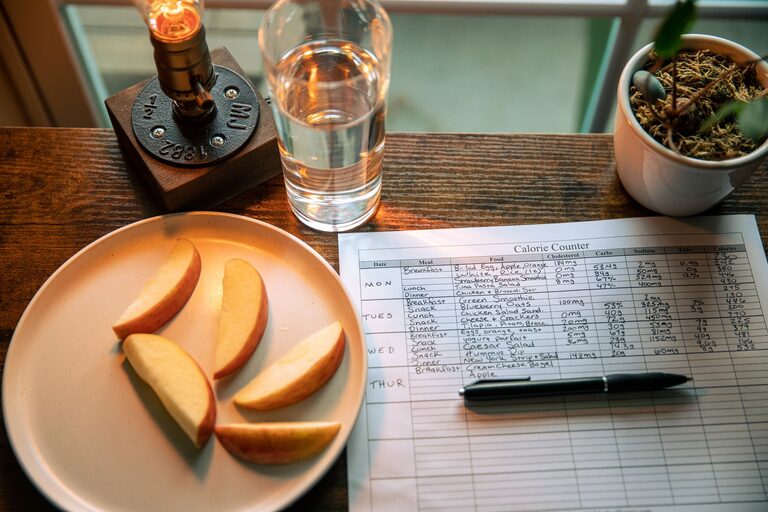
Eating balanced meals is essential for good health, but planning them can sometimes feel overwhelming. Between busy schedules, picky eaters, and endless food choices, knowing what to cook and how to make it nutritious might seem stressful. The good news is that with a few simple strategies, you can plan balanced meals that are both enjoyable and stress-free.
In this post, we’ll explore how to create balanced meals, organize your meal planning routine, and offer practical tips to make healthy eating easier every day.
What Is a Balanced Meal?
A balanced meal includes a variety of foods that provide essential nutrients your body needs. Typically, it consists of:
– Proteins: Support muscle repair and keep you full. Examples: chicken, beans, tofu, eggs.
– Carbohydrates: Provide energy. Choose whole grains and starchy vegetables like brown rice, quinoa, or sweet potatoes.
– Fats: Essential for brain health and energy. Opt for healthy fats such as avocados, nuts, and olive oil.
– Vegetables and Fruits: Packed with vitamins, minerals, and fiber.
– Water: Stay hydrated to help digestion and overall wellness.
By incorporating all these components in your meals, you ensure balanced nutrition that helps your body function at its best.
Why Planning Matters
Planning meals ahead of time helps you:
– Reduce last-minute decisions and stress around what to eat.
– Avoid unhealthy impulse choices.
– Save money by buying only what you need.
– Minimize food waste.
– Ensure better portion control and nutrition.
Steps to Plan Balanced Meals Without Stress
1. Start Simple and Build Gradually
Don’t worry about perfect meals right away. Begin with easy, familiar dishes and gradually add variety. For example, start with grilled chicken, steamed veggies, and rice. Once comfortable, try swapping ingredients or experimenting with new recipes.
2. Choose a Weekly Planning Time
Pick a specific day each week to plan your meals. Sunday afternoon or evening works well for many people. During this time, look over your schedule to decide when you’ll have time to cook or might need quick meals.
3. Create a Master List of Meals
Make a list of go-to balanced meals you enjoy. This can include breakfast, lunch, dinner, and even snacks. Having this list saves time when planning because you can rotate meals rather than starting from scratch.
4. Use a Meal Planning Template
Write down your meals for each day, or use meal planning apps or printables. Having a visual plan helps you stay organized and ensures you balance your food groups throughout the week.
5. Plan for Leftovers
Cook larger portions that can be used for another meal. Leftovers can be a lifesaver on busy days and reduce cooking time.
6. Prepare Ingredients in Advance
Batch prep ingredients like chopping vegetables, cooking grains, or marinating proteins. This makes assembling meals quick and easy later in the week.
7. Keep Your Pantry and Fridge Stocked with Essentials
Having staple items on hand means you can whip up balanced meals without a last-minute grocery trip. Include canned beans, frozen vegetables, whole grains, nuts, and spices.
Tips for Stress-Free Balanced Meal Planning
Focus on Variety, Not Perfection
It’s okay if meals aren’t perfectly balanced every time. Aim for overall balance throughout the day or week. Mix and match different food groups as you go.
Be Flexible and Adapt
Sometimes plans change. If you’re too busy to cook, having healthy frozen meals or canned goods can help. Don’t worry about occasional convenience foods; balance is about the bigger picture.
Get Everyone Involved
If you share meals with family or roommates, ask for input on meal ideas and involve them in preparation. This makes mealtime more enjoyable and reduces your workload.
Use Simple Recipes
Choose recipes with five ingredients or fewer when possible. Simple meals are less intimidating and quicker to prepare.
Experiment with Meal Prep Techniques
Try different approaches like cooking all proteins on one day or assembling salads in jars ready to eat. Find what works for your schedule and stick with it.
Sample Balanced Meal Ideas
Here are a few easy meal ideas to inspire your planning:
– Breakfast: Oatmeal topped with berries, nuts, and a spoonful of yogurt.
– Lunch: Mixed green salad with grilled chicken, avocado, cherry tomatoes, and a light vinaigrette.
– Dinner: Baked salmon, quinoa, and steamed broccoli.
– Snack: Apple slices with almond butter.
Final Thoughts
Planning balanced meals doesn’t have to be complicated or stressful. By taking small steps, organizing your week, and keeping things simple, you can nourish your body with wholesome foods without added worry. Remember that balance is flexible and finding what works for your lifestyle is key.
Start with one or two strategies from this guide and build from there. Soon, meal planning will feel like a helpful habit instead of a chore!