
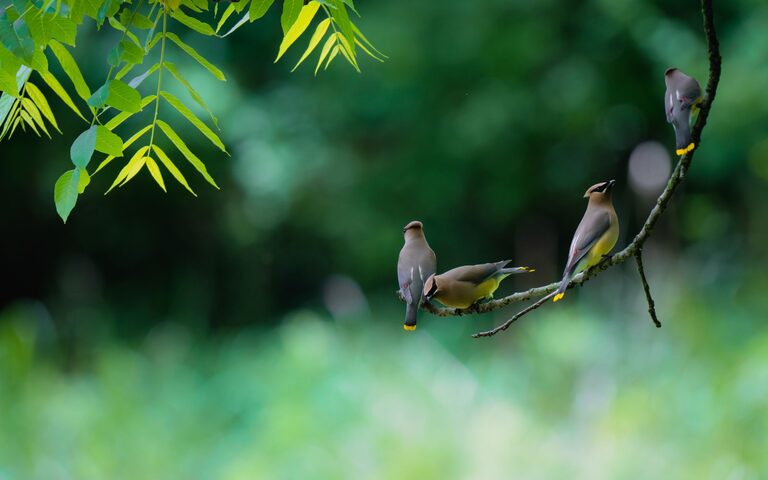
Birdwatching is a rewarding and relaxing hobby that anyone can enjoy, especially right in their own backyard. Whether you have a large garden or a small balcony, observing birds can bring a sense of peace and a deeper connection to nature. If you’re new to birdwatching, this guide will help you get started with easy tips and practical advice.
Why Backyard Birdwatching?
Birdwatching doesn’t require expensive equipment or a lot of time. It’s accessible to people of all ages and skill levels. Watching birds can boost your mood, provide gentle exercise if you move around, and even help you learn about local wildlife and ecosystems.
Getting Started: Essential Tips for Beginners
1. Create a Bird-Friendly Space
The first step is to make your outdoor area attractive and safe for birds. Here’s how:
– Offer Food: Different birds prefer different foods. Start with simple offerings like black oil sunflower seeds, nyjer seeds, and suet. You can also scatter seeds on the ground to attract ground-feeders.
– Provide Water: A shallow birdbath or a small fountain supplies fresh water, which birds need for drinking and bathing.
– Add Shelter: Trees, shrubs, and bushes provide places for birds to hide, perch, and nest safely.
– Avoid Chemicals: Pesticides and herbicides can harm birds. Opt for natural gardening methods to keep your space bird-friendly.
2. Pick the Right Bird Feeders
Bird feeders come in many varieties. Here are a few popular types:
– Platform Feeders: Flat, open trays that attract a wide variety of birds.
– Tube Feeders: Cylindrical feeders with small ports, great for seed-eating birds like finches and chickadees.
– Suet Feeders: Wire cages that hold suet cakes, loved by woodpeckers and nuthatches.
– Hummingbird Feeders: Designed to hold sugar water and attract hummingbirds.
Choose feeders that suit your local bird species and space. Keep feeders clean to prevent disease.
3. Learn to Identify Local Birds
Start by familiarizing yourself with the birds commonly found in your area. Resources you can use:
– Field Guides: Printed books or smartphone apps with pictures and descriptions.
– Online Resources: Websites like the Audubon Society or Cornell Lab of Ornithology offer tools and photos.
– Local Birdwatching Groups: Join a club or online forum for tips and to share sightings.
Take notes or photos of the birds you see to track your observations.
4. Be Patient and Observant
Birdwatching requires patience. Here are some tips to enhance your experience:
– Watch Quietly: Birds can be easily scared by noise or sudden movements.
– Choose the Right Time: Early mornings and late afternoons are often best for bird activity.
– Use Binoculars: A simple pair of binoculars can help you see details without disturbing birds.
– Keep a Journal: Recording your sightings helps you learn and appreciate patterns over time.
5. Respect Wildlife and Habitat
Remember that you are a guest in the birds’ environment.
– Avoid disturbing nests or natural habitats.
– Keep cats and other pets indoors or supervised to protect visiting birds.
– Do not try to handle or feed birds by hand unless you have proper experience.
Additional Tips for Success
Offer Seasonal Foods and Water
Birds’ needs change with the seasons. In colder months, high-energy foods like suet and peanuts help them stay warm. In spring and summer, fresh water is essential for bathing.
Change Feeder Locations Occasionally
Moving feeders can prevent build-up of droppings and reduce the risk of spreading disease.
Encourage Native Plants
Planting native trees, flowers, and shrubs provides natural food, shelter, and nesting sites for birds.
Common Backyard Birds to Expect
Depending on your region, you might see:
– Cardinals
– Blue Jays
– Sparrows
– Chickadees
– Finches
– Woodpeckers
– Hummingbirds
Each species has its own behaviors and preferences to observe and enjoy.
Final Thoughts
Backyard birdwatching is a simple way to bring nature closer to home. By creating a welcoming space, offering food and water, learning to identify birds, and observing patiently, you’ll quickly find joy in this peaceful pastime. As you gain experience, you may find yourself looking forward to new visitors and sharing your findings with friends or family.
Happy birdwatching!